
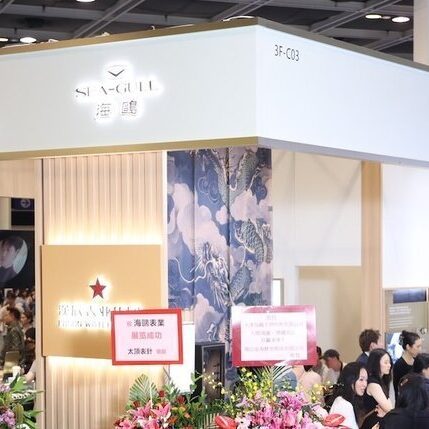
The 45th Hong Kong Watch & Clock Fair and the 14th Salon de Time closed this September having drawn more than 17,000 trade buyers from 115 countries and regions, alongside over 630 exhibitors and 150 watch brands under one roof at the Hong Kong Convention and Exhibition Centre. Organised jointly by the Hong Kong Trade Development Council (HKTDC), the Hong Kong Watch Manufacturers Association Limited, and The Federation of Hong Kong Watch Trades & Industries Limited, the five-day event ran from 1 to 5 September under the theme “Sparkling Moments Through Time.” For a studio focused on case construction, dial architecture and finishing technique, the fair’s scale offers a useful read on where design resources are actually being deployed across the industry, not just where marketing spend is going.
A Marketplace Built Around the Full Value Chain
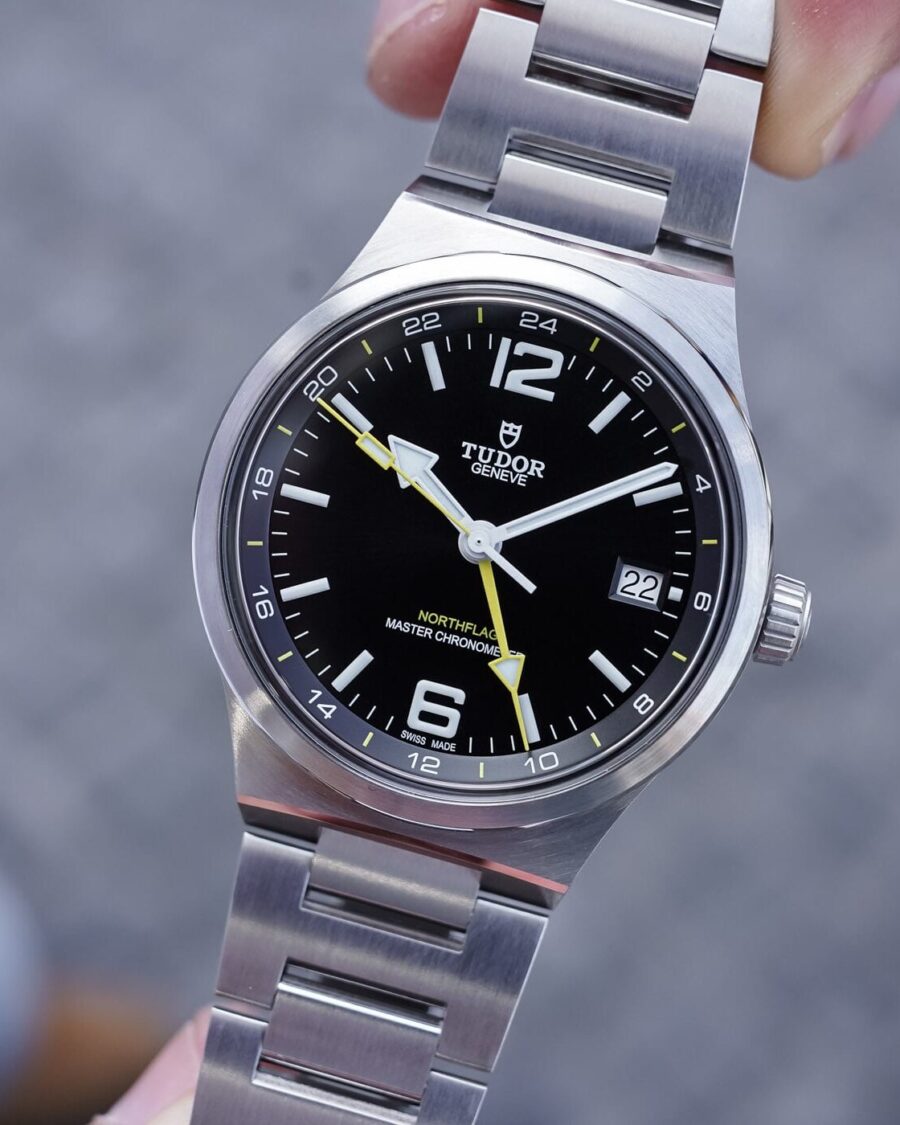
Thematic zones covered Complete Watches, Clocks, Machinery & Equipment, Packaging & Display, and Parts, Components & Accessories, giving buyers a single venue to source everything from finished OEM and ODM product to the componentry behind it. The Pageant of Eternity zone specifically showcased premium finished watches from original equipment and original design manufacturers, which matters to anyone studying case and movement sourcing: it puts the manufacturing layer of the industry, the people actually machining cases and assembling movements, in the same halls as the brands selling the finished product.
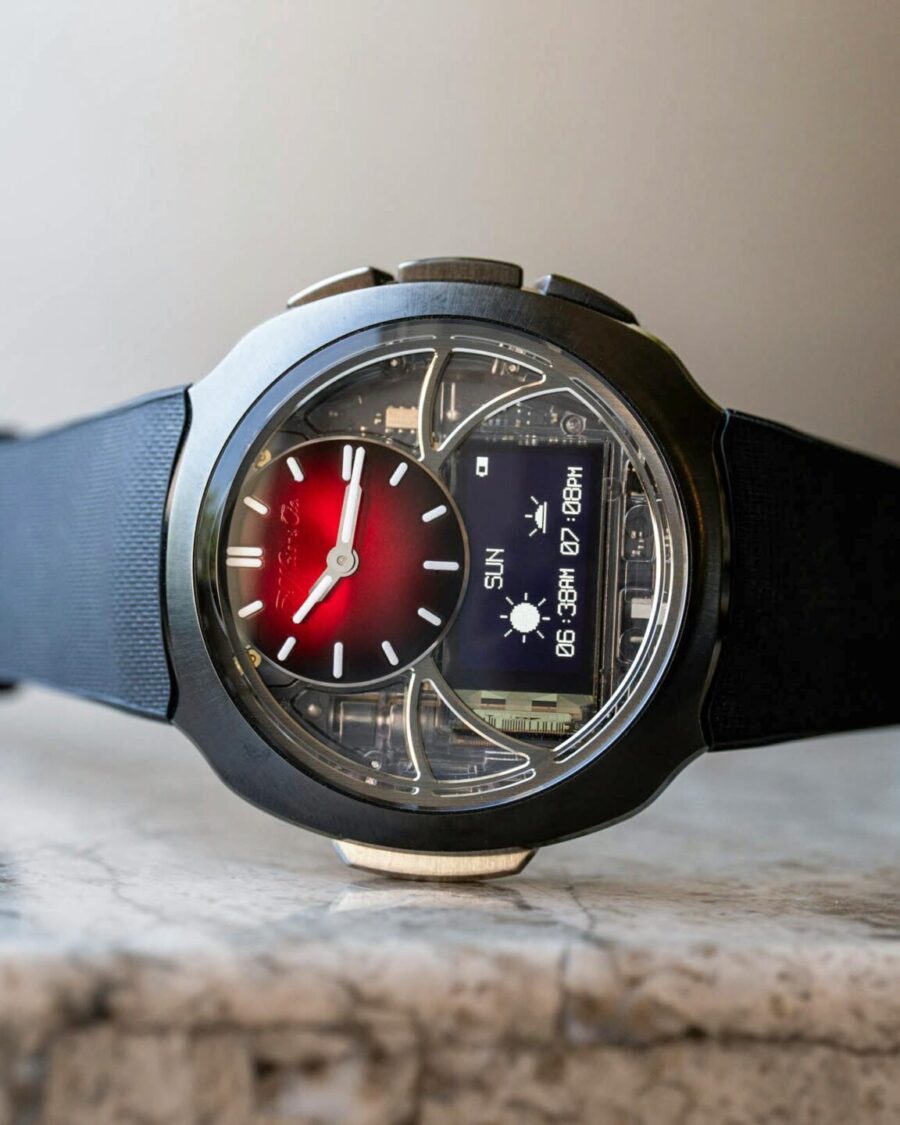
Salon de Time, running as the fair’s brand-facing counterpart, reached what organisers called a record scale this year with over 150 participating brands. Six thematic zones structured the presentation, and the Microbrands zone in particular saw both participating countries and regions, and the number of brands, more than double compared with the previous year. That kind of jump in a single edition says something concrete about where independent design activity is concentrating: smaller ateliers with tighter production runs are finding a viable platform here, and buyers are showing up specifically to find them.
Guochao Design Language Gains a Dedicated Stage
Among the clearest design-industry signals from this year’s fair was the visibility given to Guochao-inspired watches, a category blending Chinese cultural motifs and craftsmanship references into contemporary watch design. Shanghai Watch, FIYTA, and Zbioland were among the Chinese Mainland brands and independent watchmakers presenting Guochao timepieces at Salon de Time. HKTDC Associate Executive Director Smilely Lam noted that the fair observed “strong market demand for microbrands, Guochao-inspired watches, and cross-industry collaborations, reflecting consumers’ growing appreciation for personalised designs, cultural and creative elements, and compelling brand stories.” For dial designers and case engineers, this points to a commercial appetite for regionally rooted visual language rather than generic international styling, a shift that has real implications for how finishing techniques, engraving, and dial decoration are being commissioned.
The World Brand Piazza, a signature section of Salon de Time, presented six world-renowned watch brands as its centrepiece attraction, giving the fair a recognisable anchor point alongside the newer, more experimental microbrand presence.
Buyer Geography and What It Signals for Sourcing
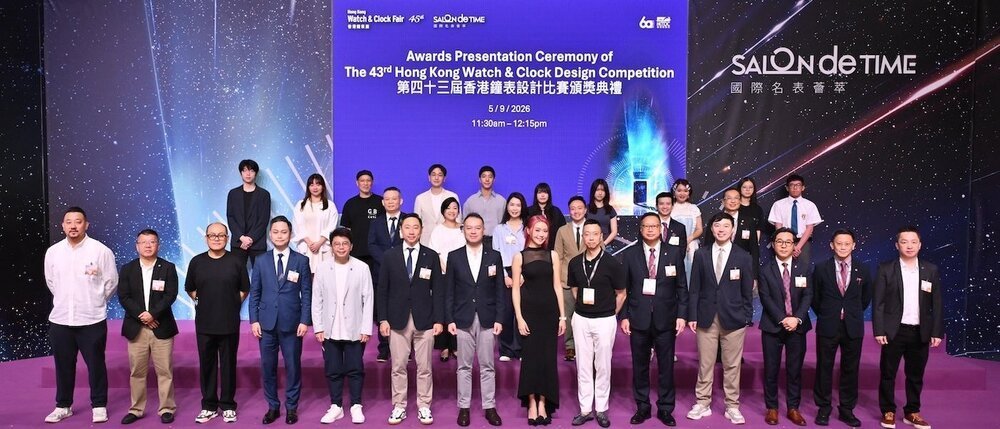
The buyer data reinforces Hong Kong’s position as a sourcing hub rather than simply a showcase. Outside Hong Kong itself, attendees came mainly from the Chinese Mainland, Taiwan, India, Japan, Russia, the US, and ASEAN countries including Indonesia, Malaysia, the Philippines and Thailand. Attendance from North America, ASEAN and Latin America recorded significant growth this year. During the fair, HKTDC also conducted a survey of roughly 890 exhibitors and buyers, which pointed to strong growth prospects specifically in Latin America and Korea. For manufacturers and design studios weighing where to direct new case designs or component lines, that breadth of buyer origin is a more reliable signal than any single regional trend.
Running concurrently with CENTRESTAGE, the fashion event held alongside it, the two fairs together attracted over 20,000 public visits, with Salon de Time open free to the public and showcasing product from more than 400 watch and fashion brands combined. A specially built “Time Tunnel” installation marked the fair’s 45th edition, walking visitors through three key milestones since the event’s founding in 1982.
What This Means for Design and Manufacturing Going Forward
The doubling of the Microbrands zone and the sustained buyer growth across new regions suggest that Hong Kong’s fair is functioning less as a legacy trade event and more as a live indicator of where watch design activity is being commissioned and financed. The Click2Match business matching platform remained open until 12 September, extending the window for exhibitors and buyers to continue sourcing discussions online after the physical halls closed. For studios and manufacturers tracking demand for case construction, dial finishing and componentry, the 46th edition next year will be worth watching for whether the Guochao and microbrand momentum documented this year continues to scale, or whether it settles into a fixed segment of the fair’s identity.